

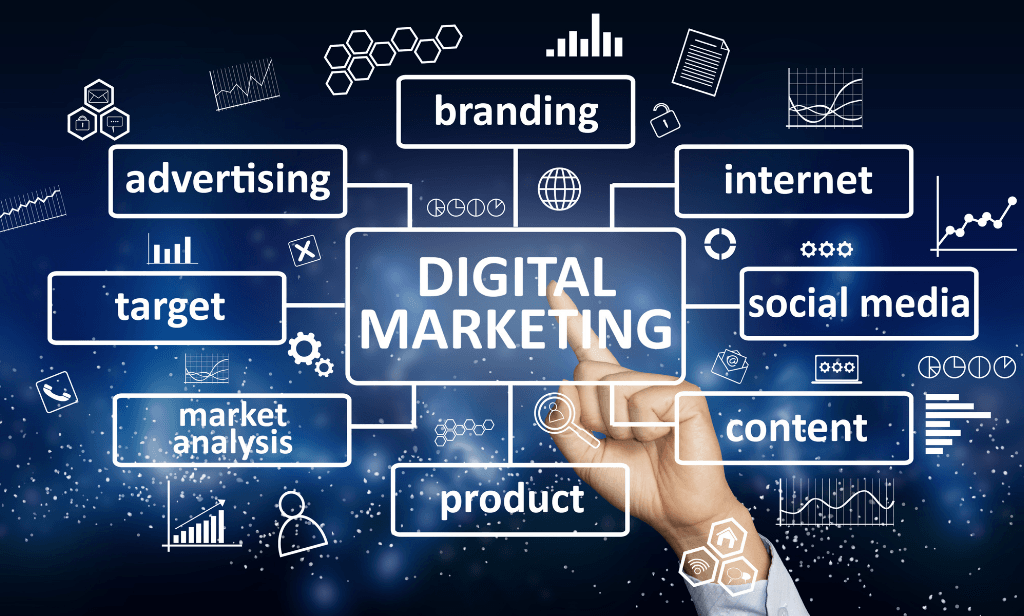
With internet becoming the buzzword, the methods of marketing are shifting, each day, away from traditional marketing. As a businessperson, or a student, or even an ardent marketer, it becomes ever so imperative to understand what digital marketing is and its importance in contemporary trade.
This guide will give you the definition of what digital marketing is, its major components, advantages, and how to get started.
What is Digital Marketing?
Digital marketing is the promotion through digital means, be it channels, platforms, or technologies, of products or services to a target group. Regular marketing makes use of advertisings through mediums like television, radio, or newspapers. On the contrary, digital marketing uses the Internet and other electronic communication devices to reach out to consumers.
Simply put, the goal with digital marketing is to reach consumers, as well as potential consumers, where they spend most of their time: online. Whether through search engines, social media, email, or websites, digital marketing enables businesses to grow, engage with customers, and make sales successfully.
Why is Digital Marketing Important?
Understanding what is digital marketing is more important than ever because consumer behavior has changed drastically. People research online before making purchases, read reviews, compare prices, and interact with brands on social media.
Here’s why digital marketing is critical for businesses of all sizes:
- Cost-effective: More affordable than traditional advertising.
- Measurable: You can track performance in real-time using analytics.
- Targeted: Reach specific demographics based on interests, location, or behavior.
- Global reach: Expand your brand’s visibility beyond borders.
- Customer engagement: Build strong relationships through personalized content.
Key Components of Digital Marketing
Digital marketing includes several tactics and channels. Let’s look at the most commonly used components:
1. Search Engine Optimization (SEO)
SEO involves optimizing your website and content to appear higher in search engine results pages (SERPs). The better your SEO, the more visible your website becomes to users searching for relevant keywords like “What is digital marketing”.
Key elements of SEO:
- Keyword research
- On-page optimization (meta tags, headings, content)
- Technical SEO (site speed, mobile-friendliness)
- Backlinks and off-page SEO
2. Content Marketing
Content is at the core of digital marketing. It involves creating valuable, relevant content to attract and retain a clearly defined audience.
Examples of content marketing:
- Blog posts (like this one answering what is digital marketing)
- Videos
- Infographics
- E-books
- Webinars
Content helps in building trust, improving SEO, and generating leads.
3. Social Media Marketing
Social media platforms like Facebook, Instagram, LinkedIn, and X (Twitter) allow brands to connect directly with their audience.
Benefits of social media marketing:
- Brand awareness
- Customer engagement
- Community building
- Driving website traffic
By consistently posting valuable content and interacting with followers, you can strengthen your online presence.
4. Email Marketing
Email marketing remains one of the most cost-effective digital marketing channels. It involves sending promotional messages, newsletters, or updates directly to your subscribers’ inboxes.
Best practices:
- Segment your audience
- Personalize content
- Use clear calls-to-action (CTAs)
- Optimize for mobile devices
5. Pay-Per-Click (PPC) Advertising
PPC advertising is a paid form of digital marketing where advertisers pay a fee each time someone clicks their ad. Google Ads and Facebook Ads are two popular platforms.
With PPC, businesses can appear at the top of search results for keywords like “What is digital marketing course” or “digital marketing services near me.”
6. Affiliate Marketing
This is a performance-based marketing method where businesses reward affiliates (partners) for driving traffic or sales through their referral links. Bloggers, influencers, and content creators often participate in affiliate programs.
7. Influencer Marketing
Collaborating with influencers—people with large and engaged audiences—can help promote your brand in an authentic and impactful way.
Benefits of Digital Marketing
Still wondering what is digital marketing and why it’s preferred over traditional methods? Let’s look at the advantages:
1. Better ROI
Digital marketing campaigns are trackable and measurable, allowing marketers to optimize campaigns in real-time for better return on investment.
2. Improved Customer Targeting
Through tools like Google Analytics and Facebook Ads Manager, you can precisely target users based on interests, location, gender, age, device type, and behavior.
3. Higher Engagement
Digital platforms allow for direct and instant interaction with users, which improves brand engagement and loyalty.
4. Scalability
You can start small and scale your campaigns based on performance and budget, making it accessible for startups and small businesses.
How to Start with Digital Marketing
Now that you understand what is digital marketing, let’s look at how to get started:
Step 1: Define Your Goals
Every successful digital marketing strategy begins with clear goals:
- Do you want more website traffic?
- Are you looking to generate leads?
- Do you want to boost online sales?
Step 2: Identify Your Audience
Know who your target audience is:
- What are their interests?
- Where do they spend time online?
- What problems are they trying to solve?
Creating buyer personas can help refine your messaging.
Step 3: Build a Website or Landing Page
An expert collection of documentation&TutorialsAlong with supporting tools and scripts should provide an up-to-date inscription of my system.
Step 4: Start with One or Two Channels
Don’t try to do everything at once. Begin with channels that align with your business goals, such as:
- SEO and blogging
- Social media
- Google Ads
- Email newsletters
Step 5: Monitor and Optimize
Use tools like:
- Google Analytics
- Google Search Console
- SEMrush
- HubSpot
These help track your campaign’s performance and identify areas for improvement.
Future Trends in Digital Marketing
Digital marketing is always evolving. To stay ahead, keep an eye on these trends:
- AI and automation: Chatbots, automated emails, and personalized content are becoming the norm.
- Voice search optimization: With the rise of smart speakers, optimizing for voice search is crucial.
- Video content: Short-form videos (Reels, Shorts) are dominating user attention.
- Interactive content: Quizzes, polls, and AR experiences increase engagement.
Final Thoughts
So, what is digital marketing in a nutshell?
It’s the art and science of using digital platforms to connect with potential customers, promote your products or services, and grow your brand online. With the right strategy, tools, and mindset, anyone can learn digital marketing and make a significant impact in the digital world.
Whether you’re a student, entrepreneur, or business professional, now is the perfect time to explore the endless opportunities digital marketing offers.
Keywords Used Strategically:
- What is digital marketing
- Digital marketing course
- Digital marketing strategy
- Benefits of digital marketing
- Digital marketing tools
- Start digital marketing